LURE
2 de Julio - 18 de Julio 2026
90 Chalton St, London (Temporary)
ARTISTAS: Lucila Sancineti, Lulú Lobo y Estefania Landesmann
CURADURÍA: Gonzalo Maggi y Leo Babsky
INTEMPERIE, junto a LB~Curatorial, presentan Lure, una exhibición colectiva que cuenta con la participación de tres artistas Argentinas: Lucila Sancineti, Lulú Lobo y Estefania Landesmann.
Curada por Leo Babsky y Gonzalo Maggi, Lure es la tercera exhibición de INTEMPERIE en la ciudad de Londres.
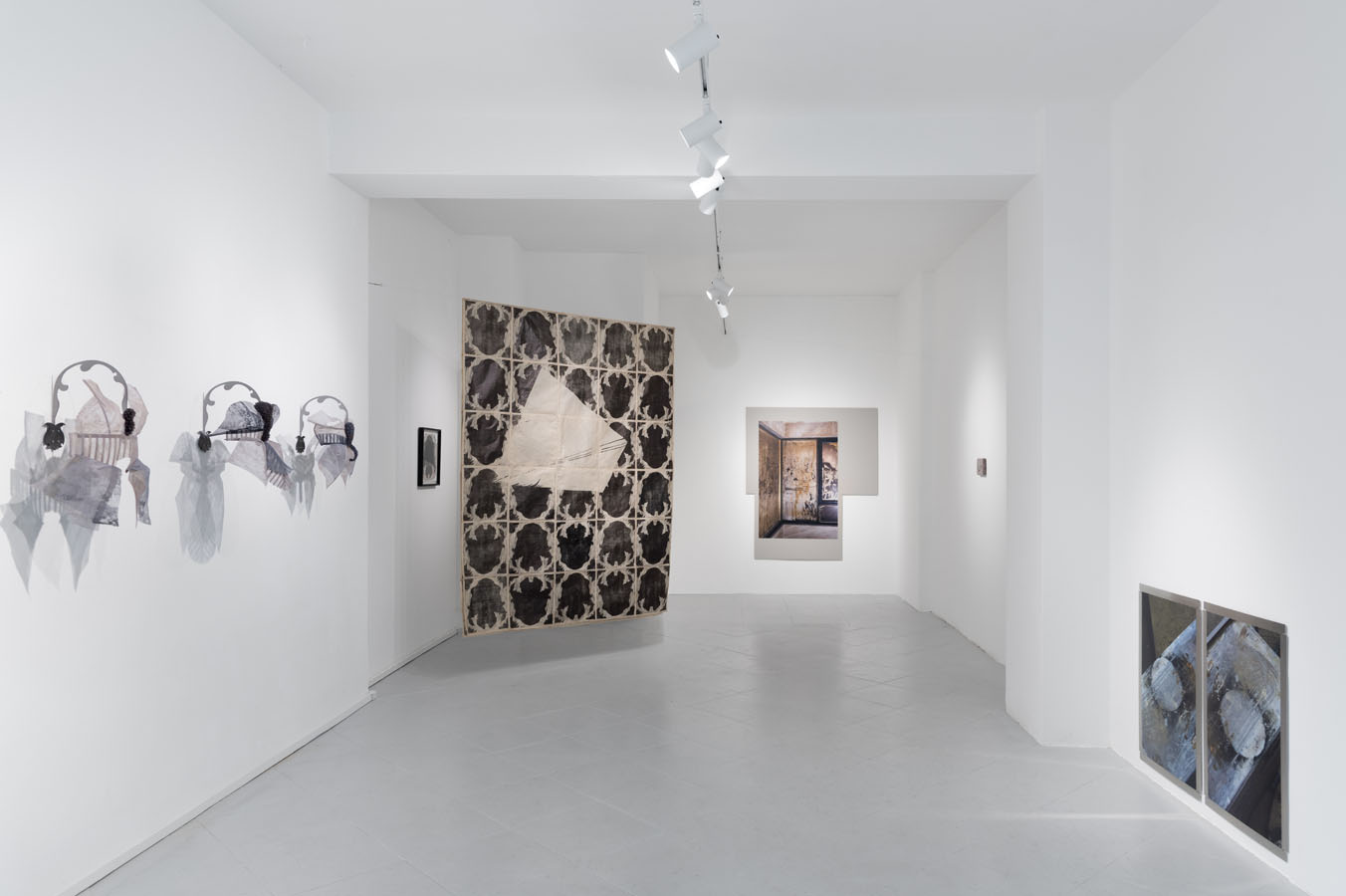
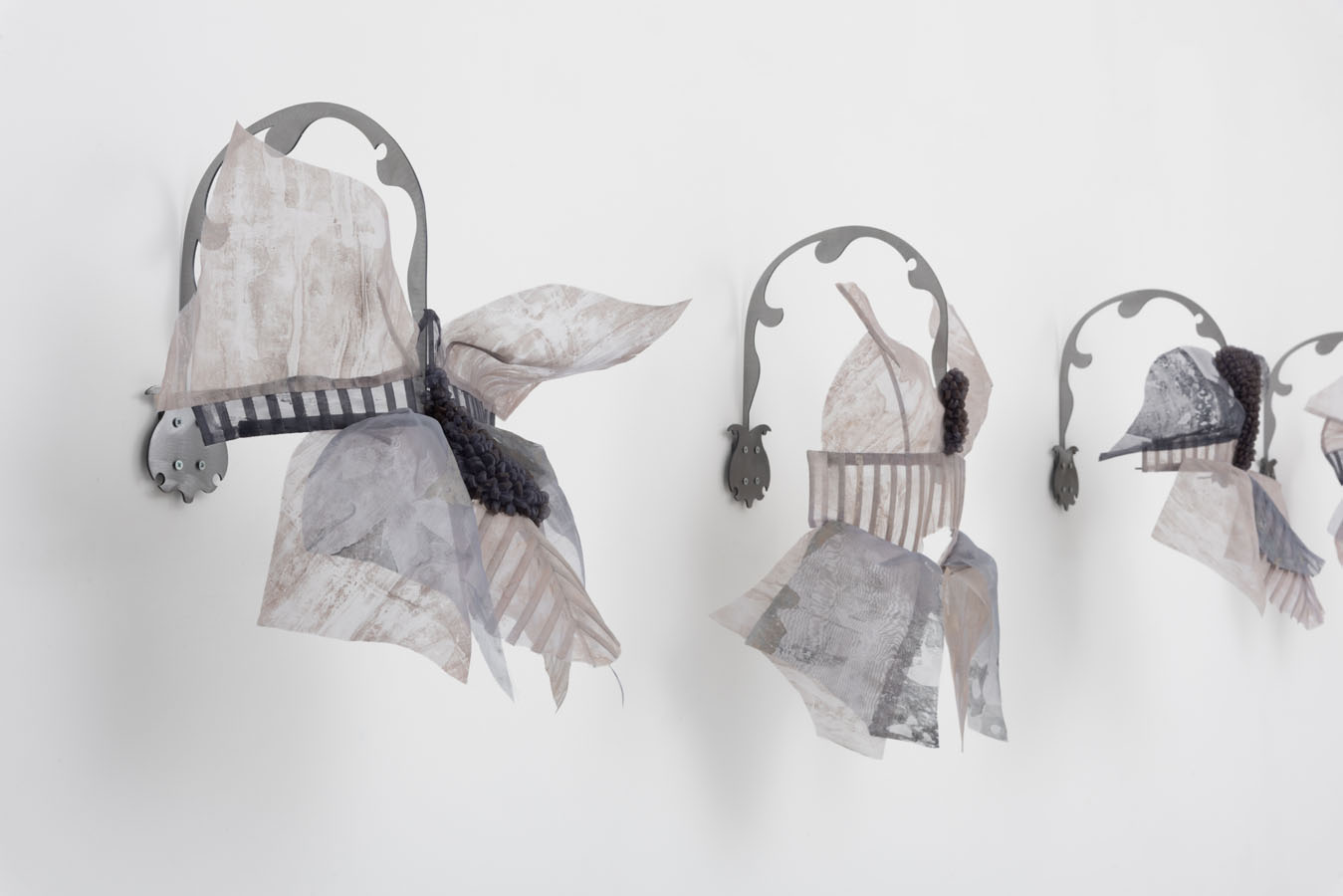
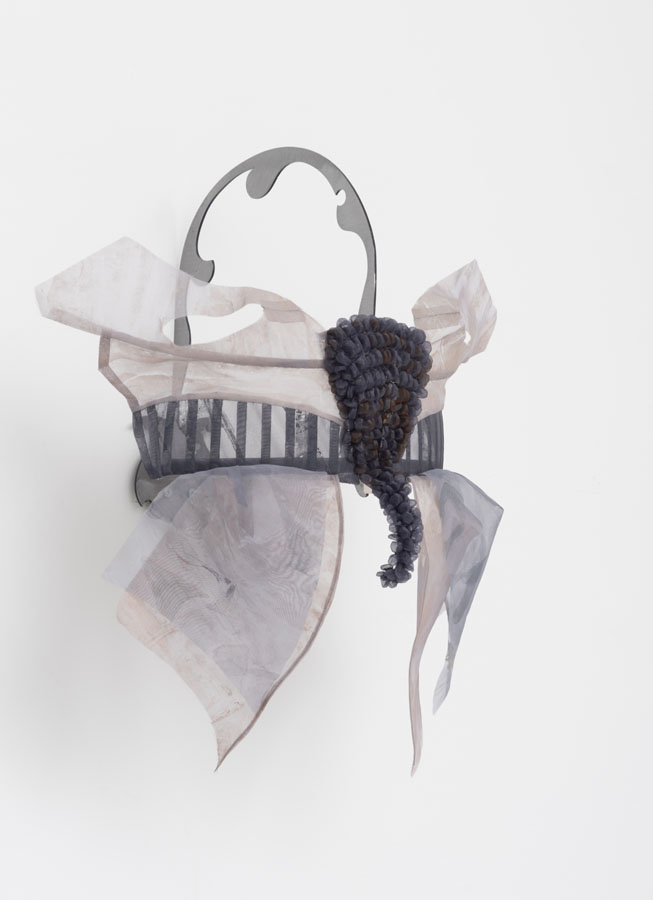
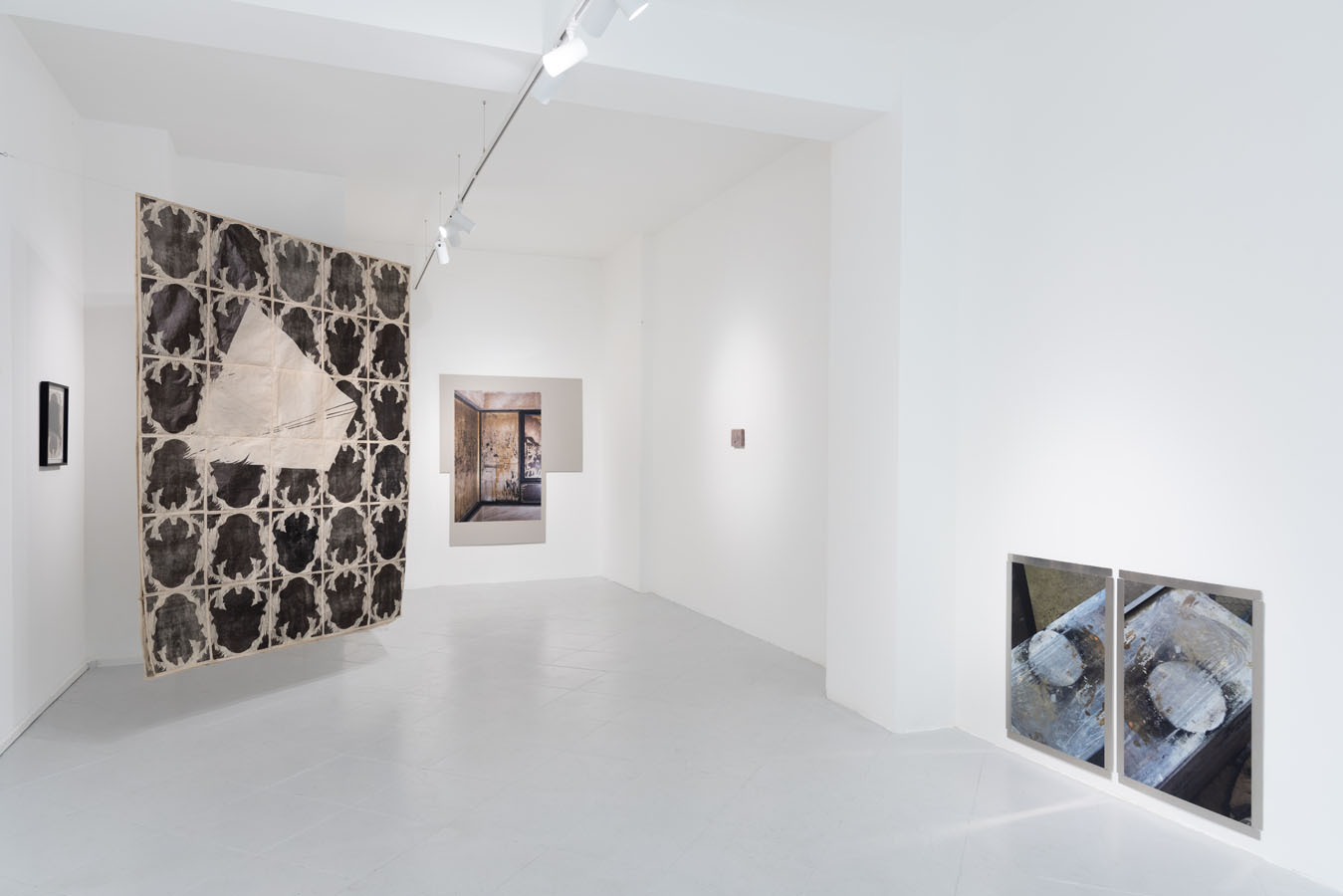
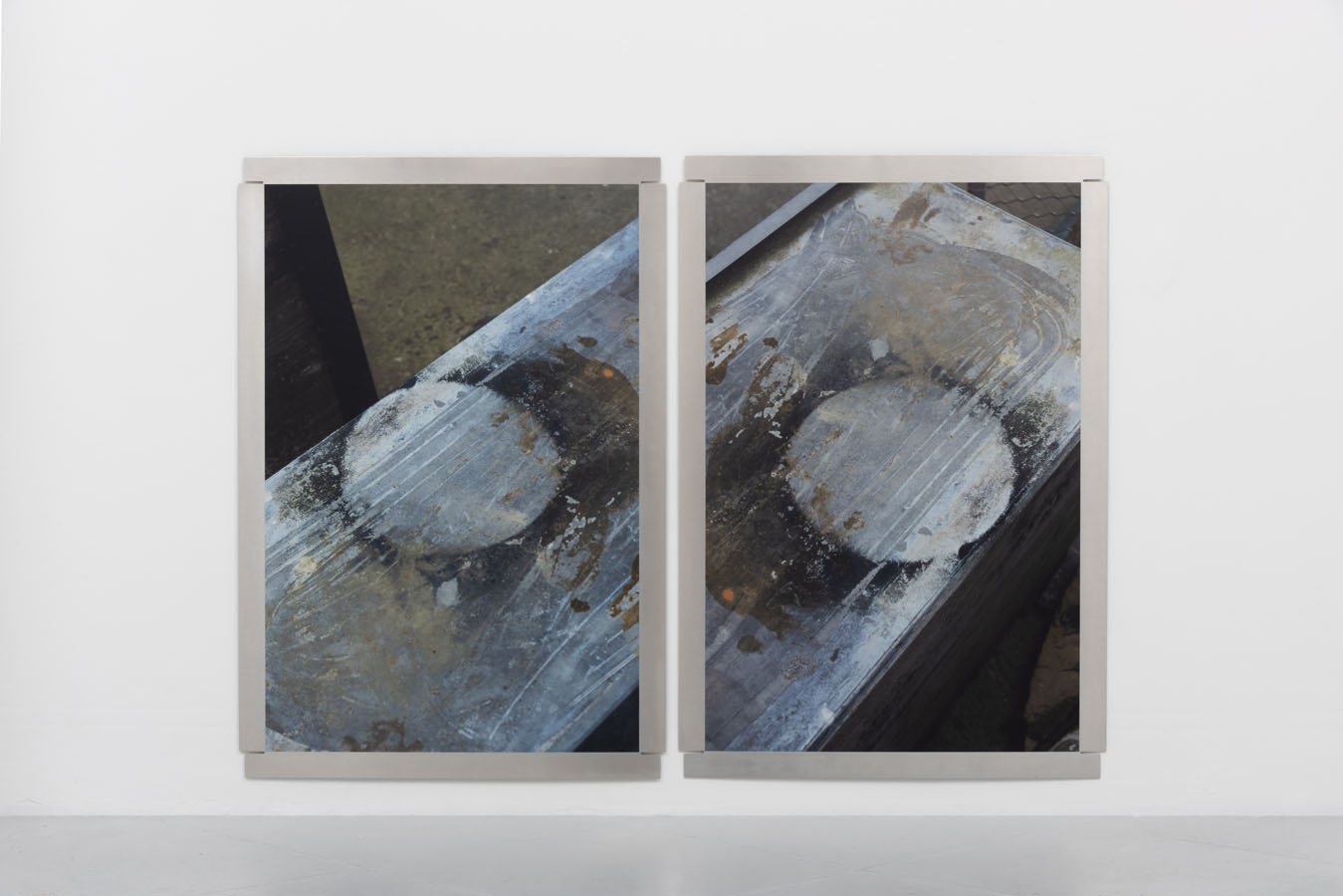
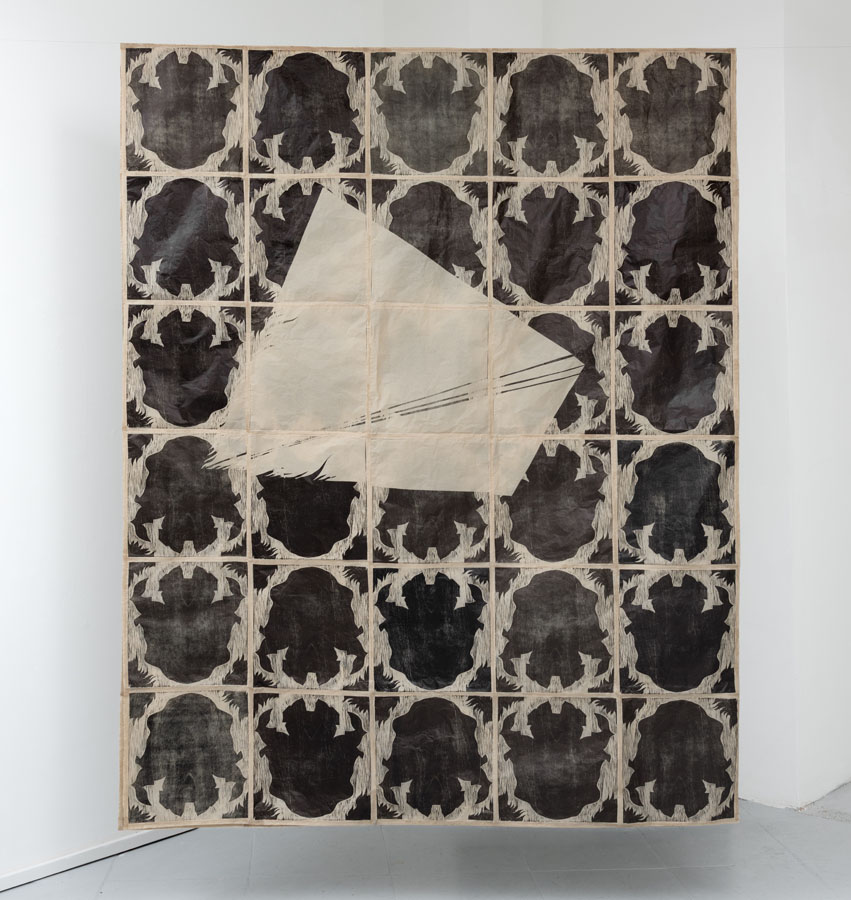
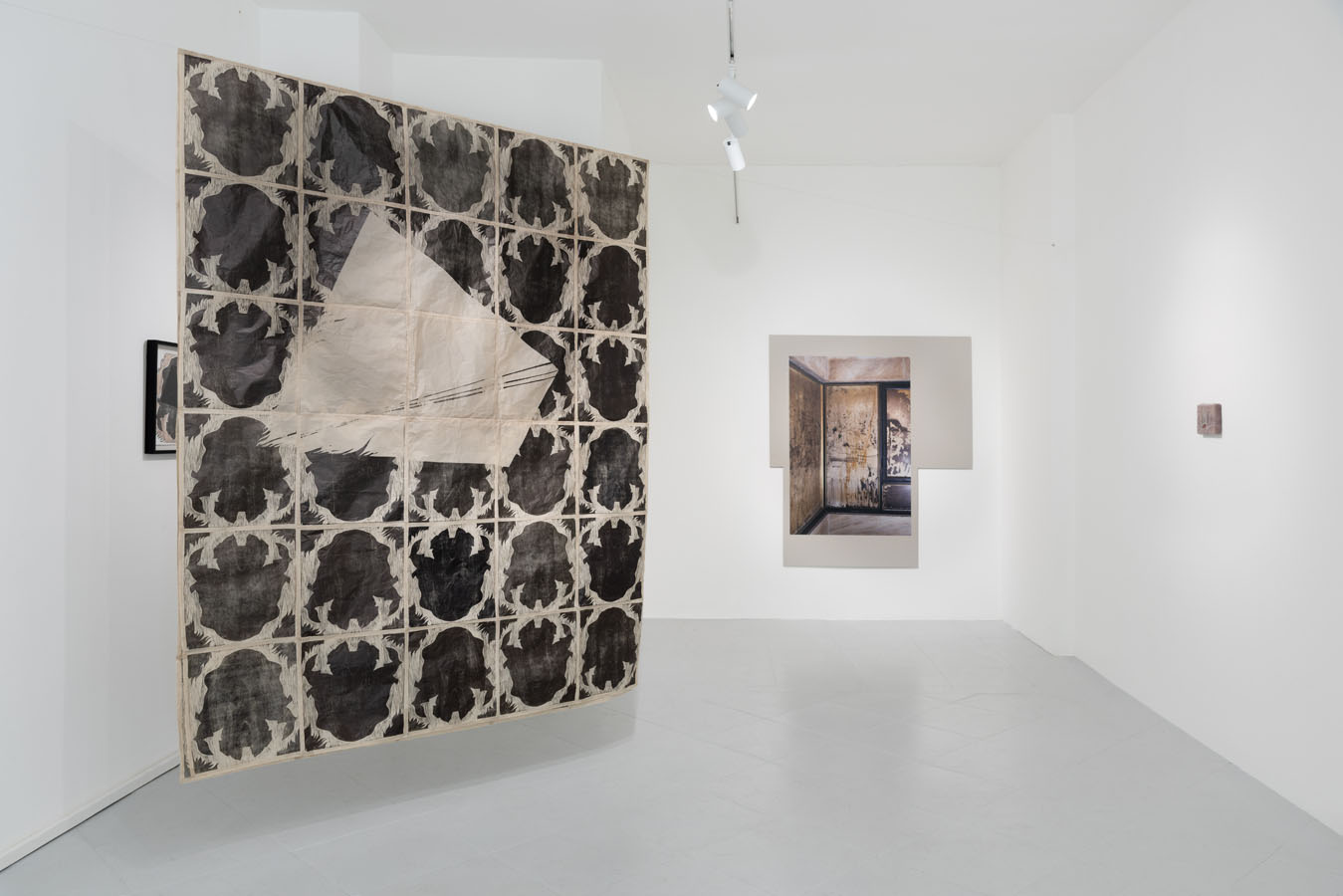
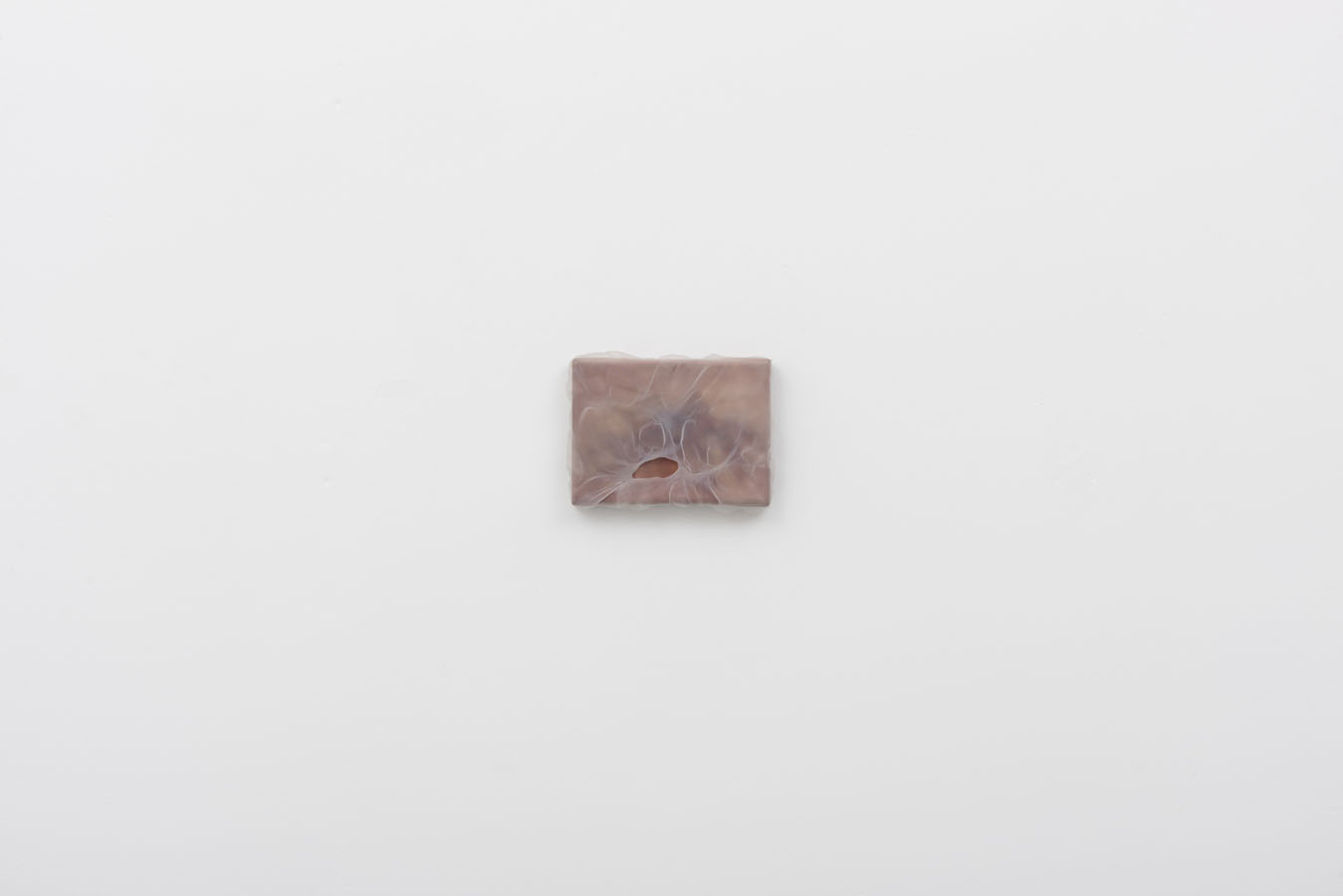
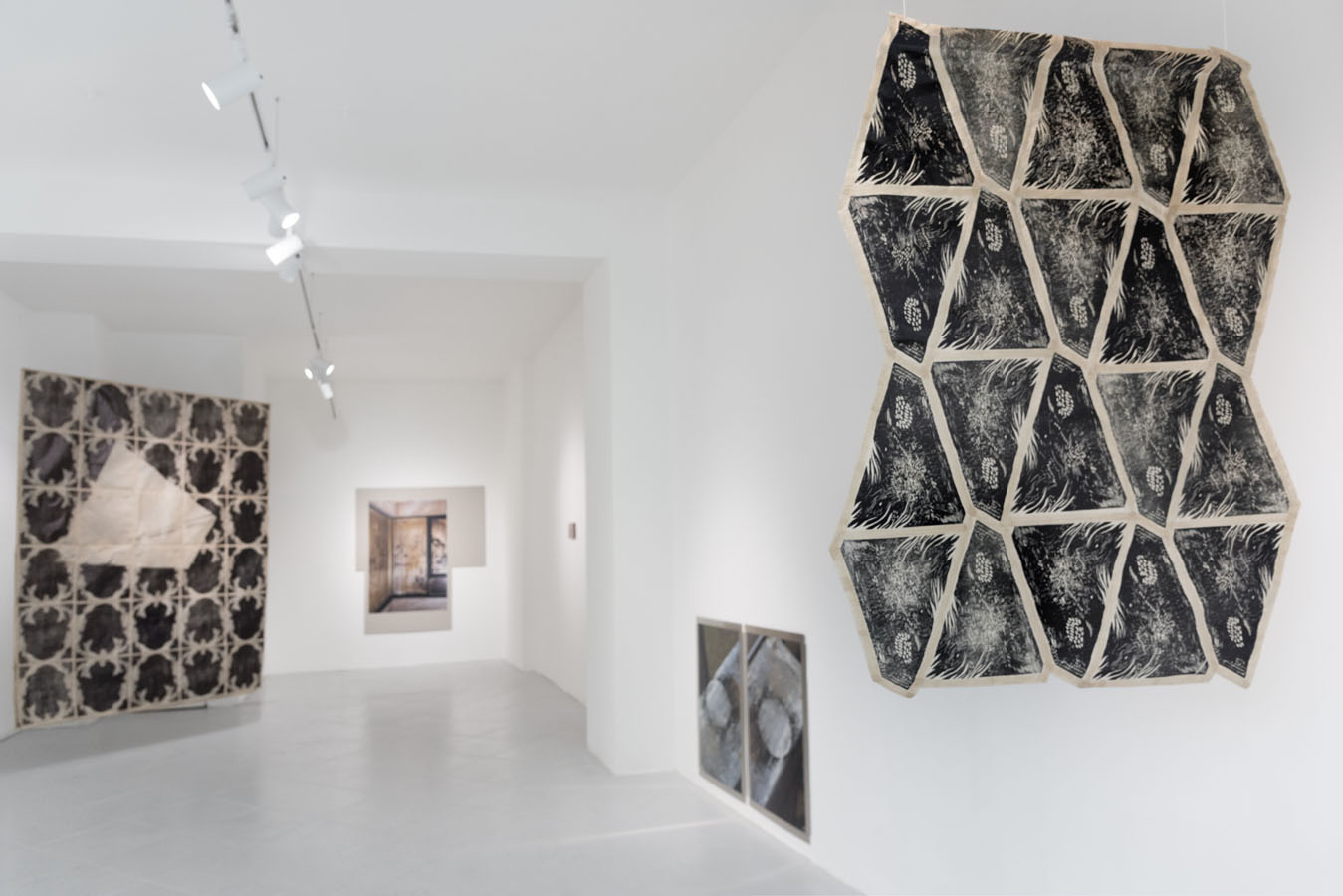
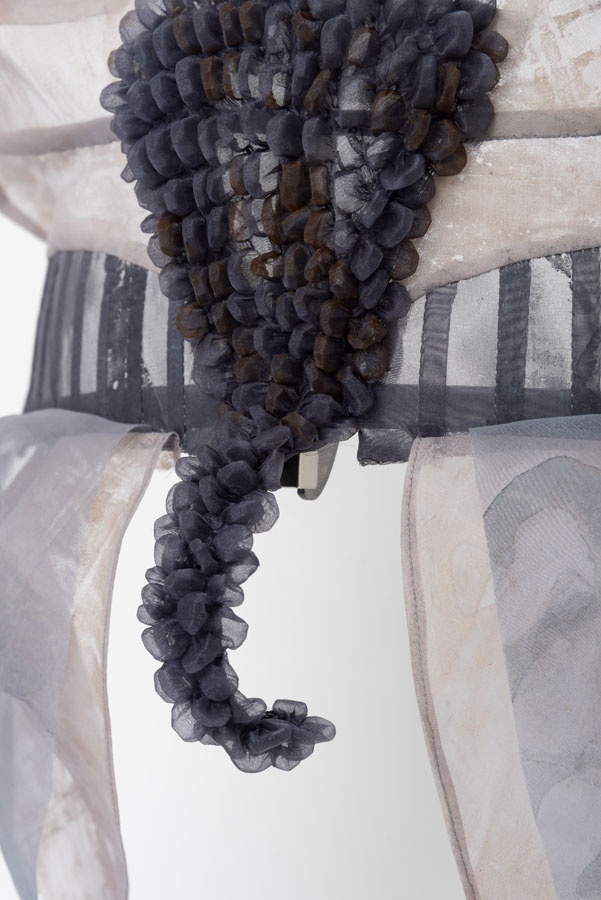
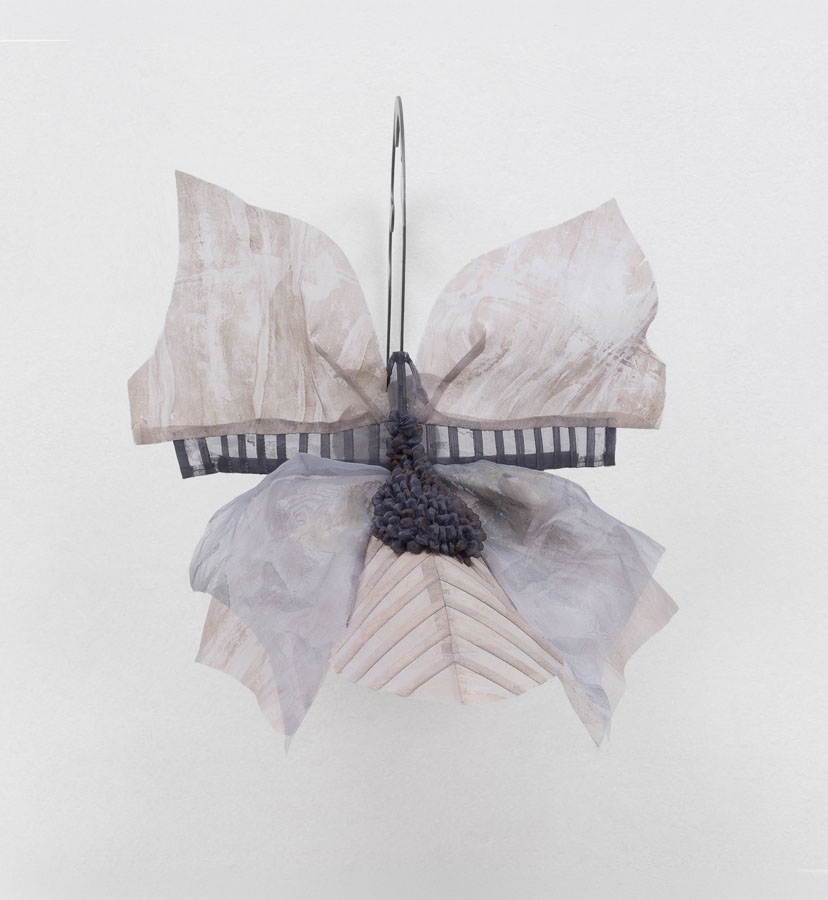
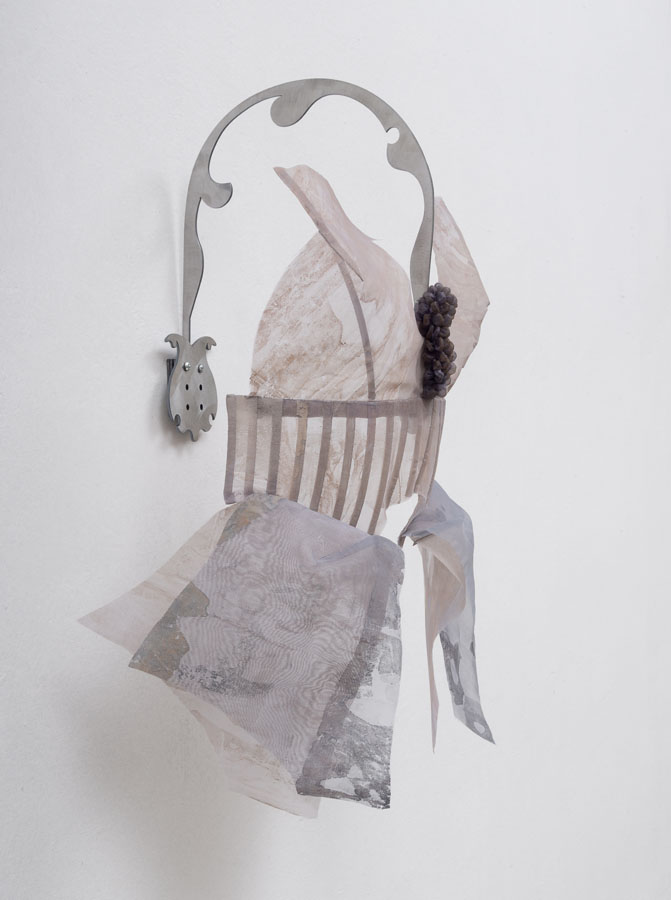
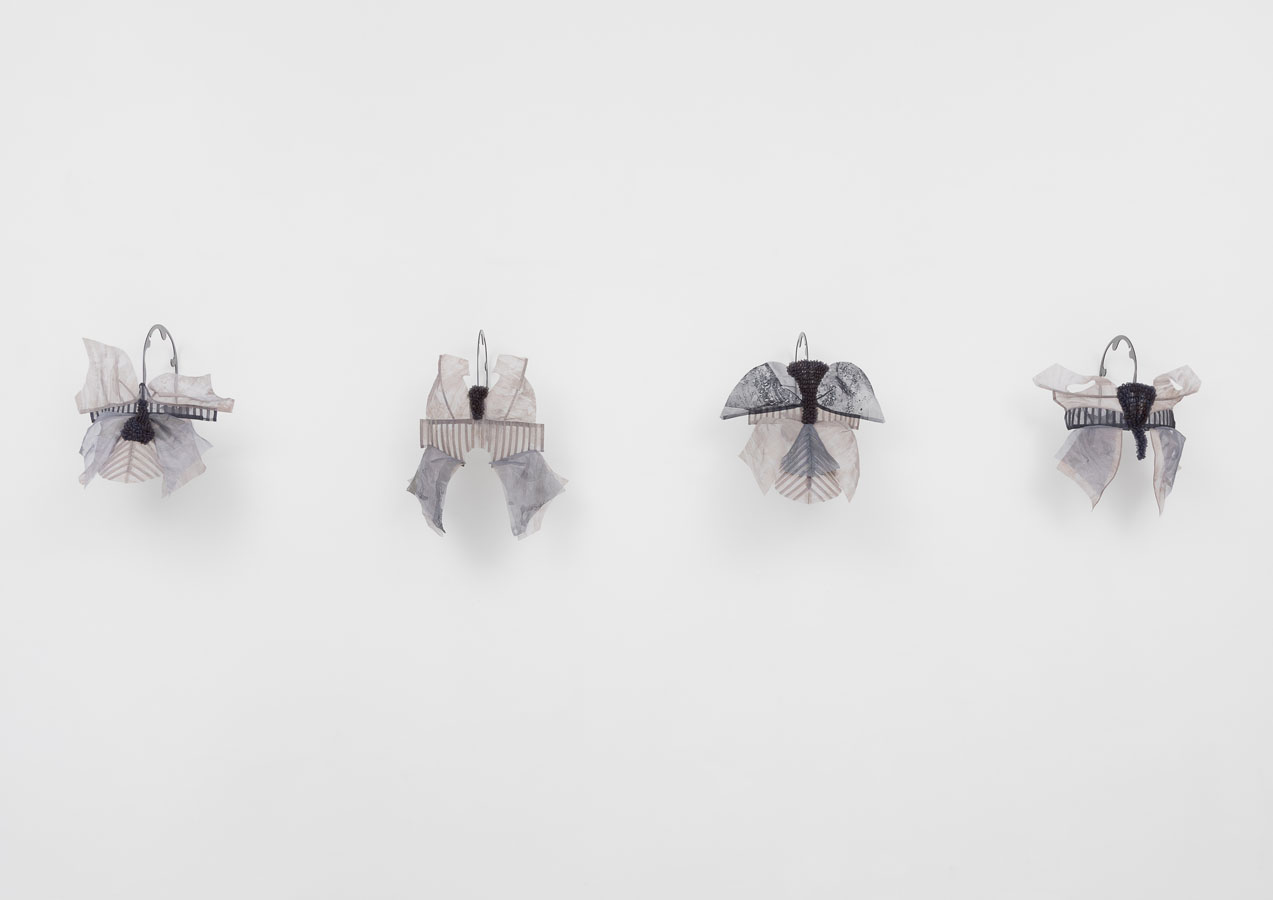
Interviewing Lucila Sancineti earlier this year, she quoted the line "an omnivorous passion for surfaces" by Argentine writer and poet María Negroni from her collection of essays Galería Fantástica. Sancineti stated that this ‘image of a hunger for all types of surfaces made me think about how they draw you near, even lure you’. Inspiring both the title of this exhibition and my co-curator - Gonzalo Maggi - and I, to see Negroni’s phrase reverberating across the practices of Estefanía Landesmann, Lulú Lobo, and Lucila Sancineti. Three artists for whom surfaces become lures: drawing viewers close through repetition, ornamentation, and material intensity, only to subvert with traces of menace and entrapment.
Additionally, a recent reading of Todd Grimson's 1996 cult vampire novel Stainless has infected my perspective on these practices. Set against a 1990’s Los Angeles rotten with sex, drugs, and indie rock, the novel follows the 400-year-old vampire Justine — a creature who induces a trance-like state in her prey through venom injected at the moment of the bite, producing a profound psychological change in her victims. I find myself returning frequently to this image and all its ambiguities: seduction as a biological mechanism and captivation as predation.
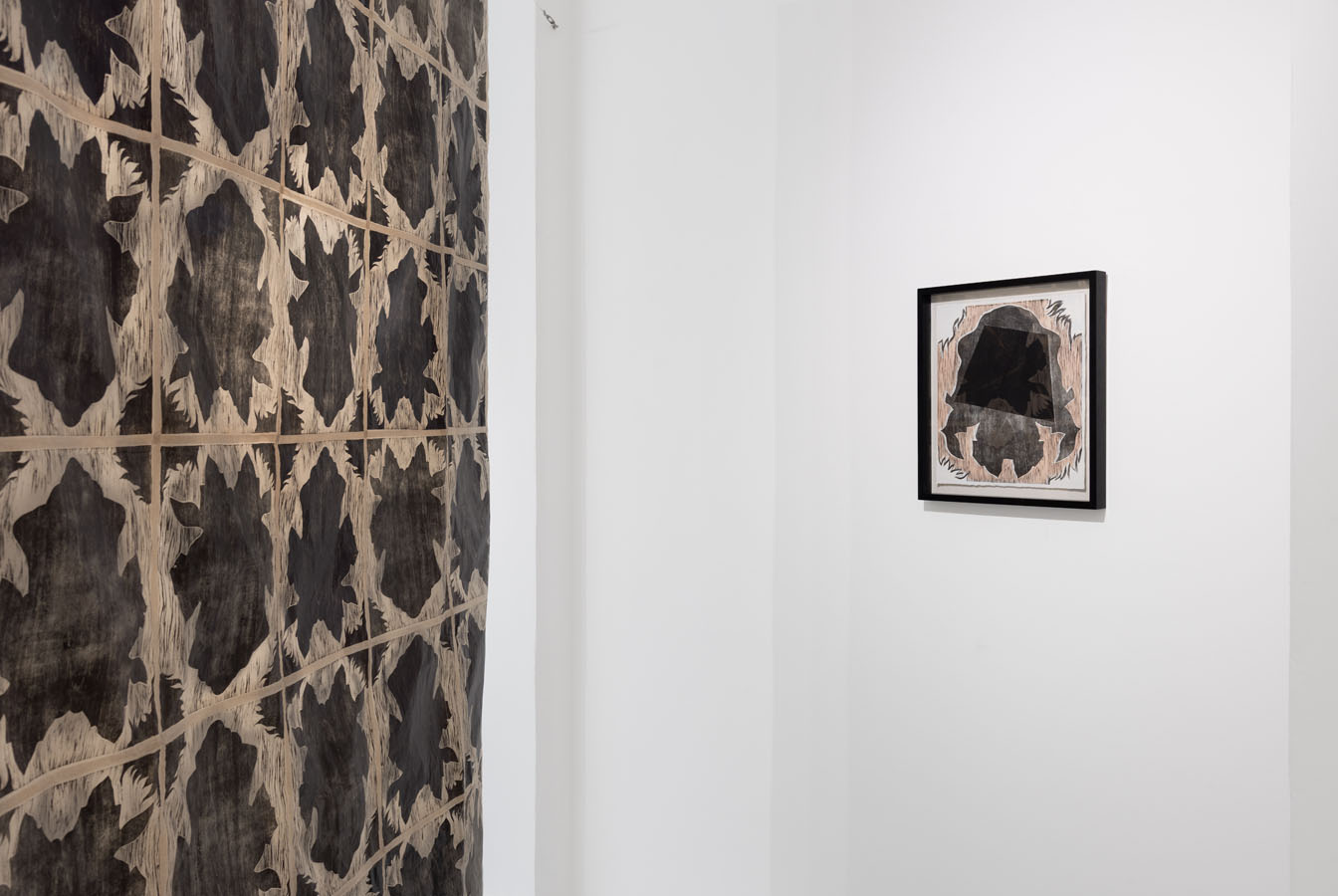
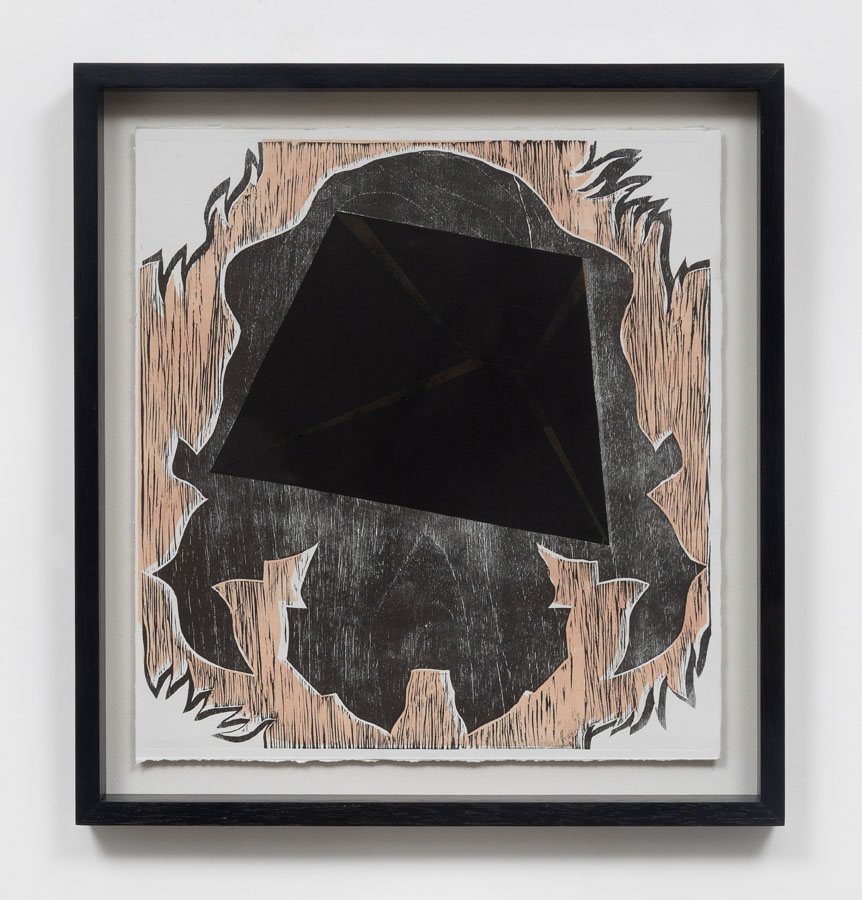
Lobo's fluttering, insistent compositions on paper operate through a similar logic. Her rhythmic graphic processes threaten to conjure a trance-like state in her viewers, evoking the strategies certain animals use to captivate, confuse, or freeze their prey. Lobo’s works are created through a combination of woodcuts and engraving: opposing techniques of intaglio and relief printmaking and hovering somewhere between ornament and structure; they both please and disorientate through a back-and-forth of imprints and gestures. Deceptively delicate, they evoke a world shaped not by what is said, but by what resists articulation.
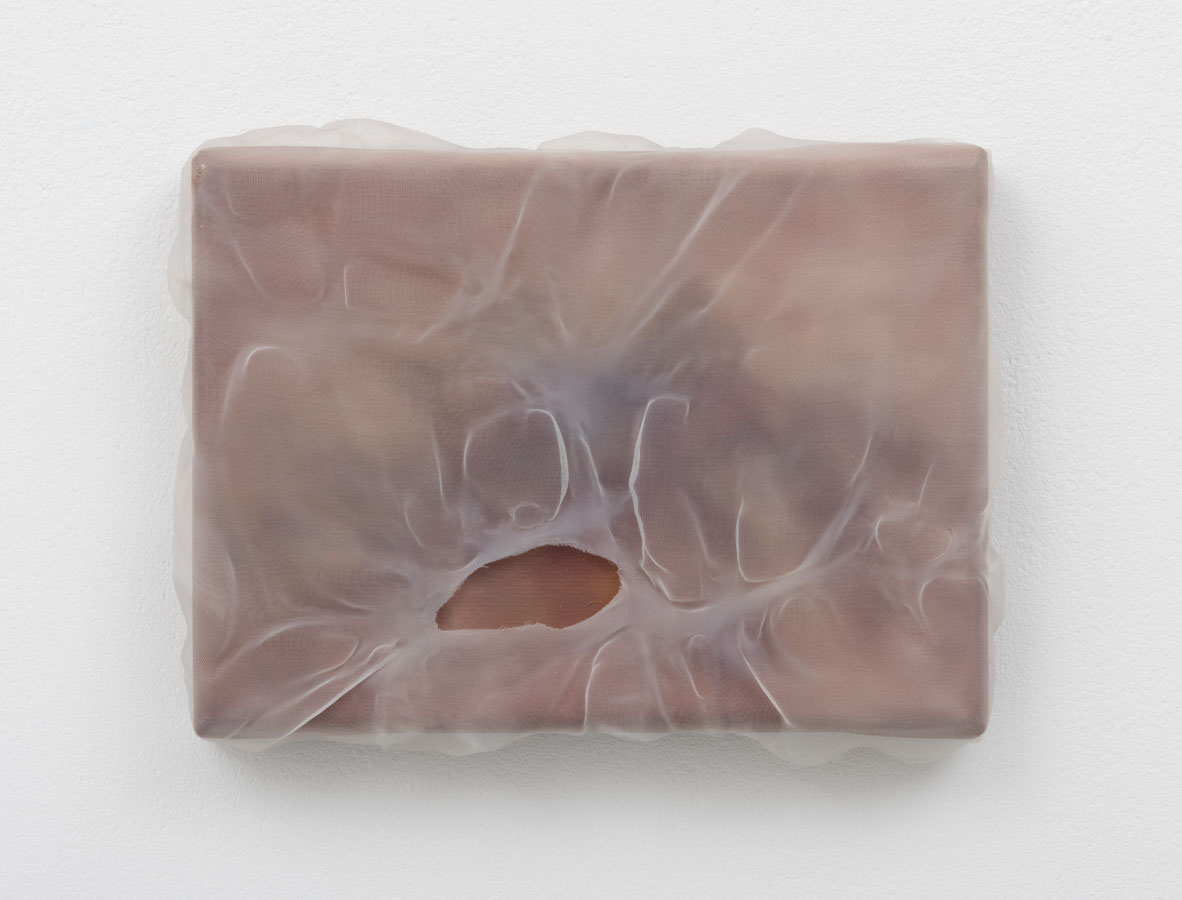
Sancineti's work shares in this vibration between seduction and threat. With an interest in Sci-fi, Fantasy and Horror literature, her insectoid forms wrap weapon-like metal structures in draped and cocooned fabric, evoking scales, carapace, and fossils. Their translucent surfaces function like skin — veiling and concealing while allowing a glimpse of what lies beneath: a porous border that delineates while enabling contact and exchange. Always maintaining an intimate connection to the body, human or otherwise, to invite tactile encounters and evoke suspended states of transformation, becoming poetic attempts to grasp the ungraspable— sensual, yet precarious.
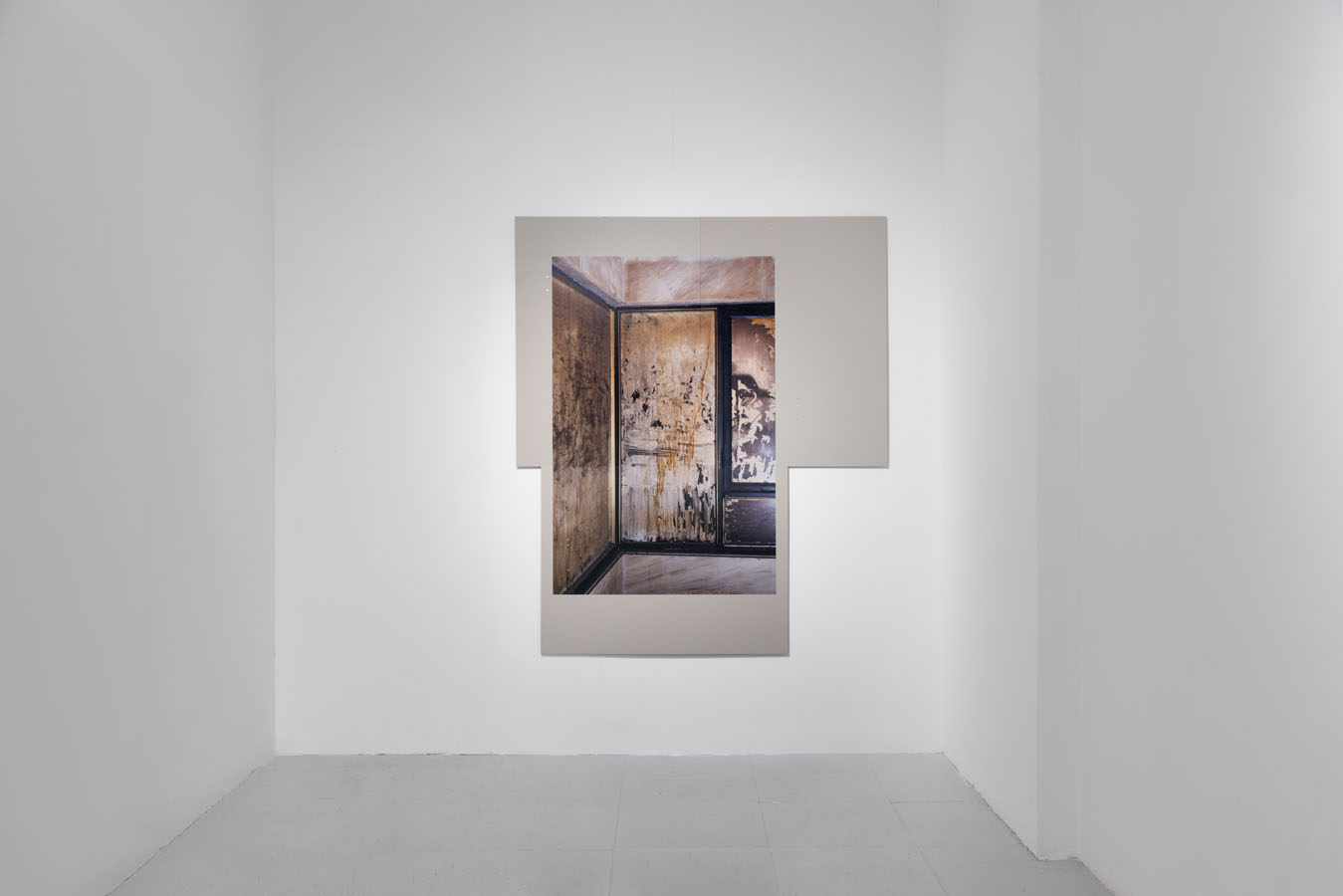
Landesmann's study of surfaces returns us to Negroni’s phrase, with her examination of margins, traces, and residues inhabiting the borderlands between photography, object and installation. Through subtle accumulation and impression, these surfaces reveal hidden infrastructures of production, memory, and attention — juxtaposing material realities to reimagine constructs of meaning and value. In her thesis project at Bard College, she draws on Steven Connor's reading of Michel Serres. Serres writes of an evolutionary passage from hard exteriors to soft ones: organisms that once bore their softness inside and armour outside have given way to creatures like us, whose hardness is internalised as bone, cartilage, skeleton, while softness is expressed as flesh, membrane, skin."We are clothed in soft, warm wax," Serres writes — "tarnished mirrors, a warped, scratched, diverse surface in which the universe is reflected a little." Landesmann's work inhabits this register: an impression, a fluctuation and a surface that bears the mark of the world pressing against it.
LURE considers how surfaces operate not only as aesthetic experiences but as psychological and bodily ones. Impressions that haunt the margins to become sites of hunger, provocation, and ecstatic entrapment.
Leo Babsky