Un reflejo en el Barro [A reflection in the mud]
March 13 – April 24, 2026
Av. de Mayo 1370, Buenos Aires, Argentina (Espacio 34_35)
Artist: Mara Caffarone
Curated by: Fabián Carrere
Intemperie, in collaboration with 34_35, presents A Reflection in the Mud, a solo exhibition by Mara Caffarone.
Mara has been represented by Intemperie since 2023, and this exhibition is part of an ongoing programme shaped by collaborations with other galleries across the contemporary art scene.
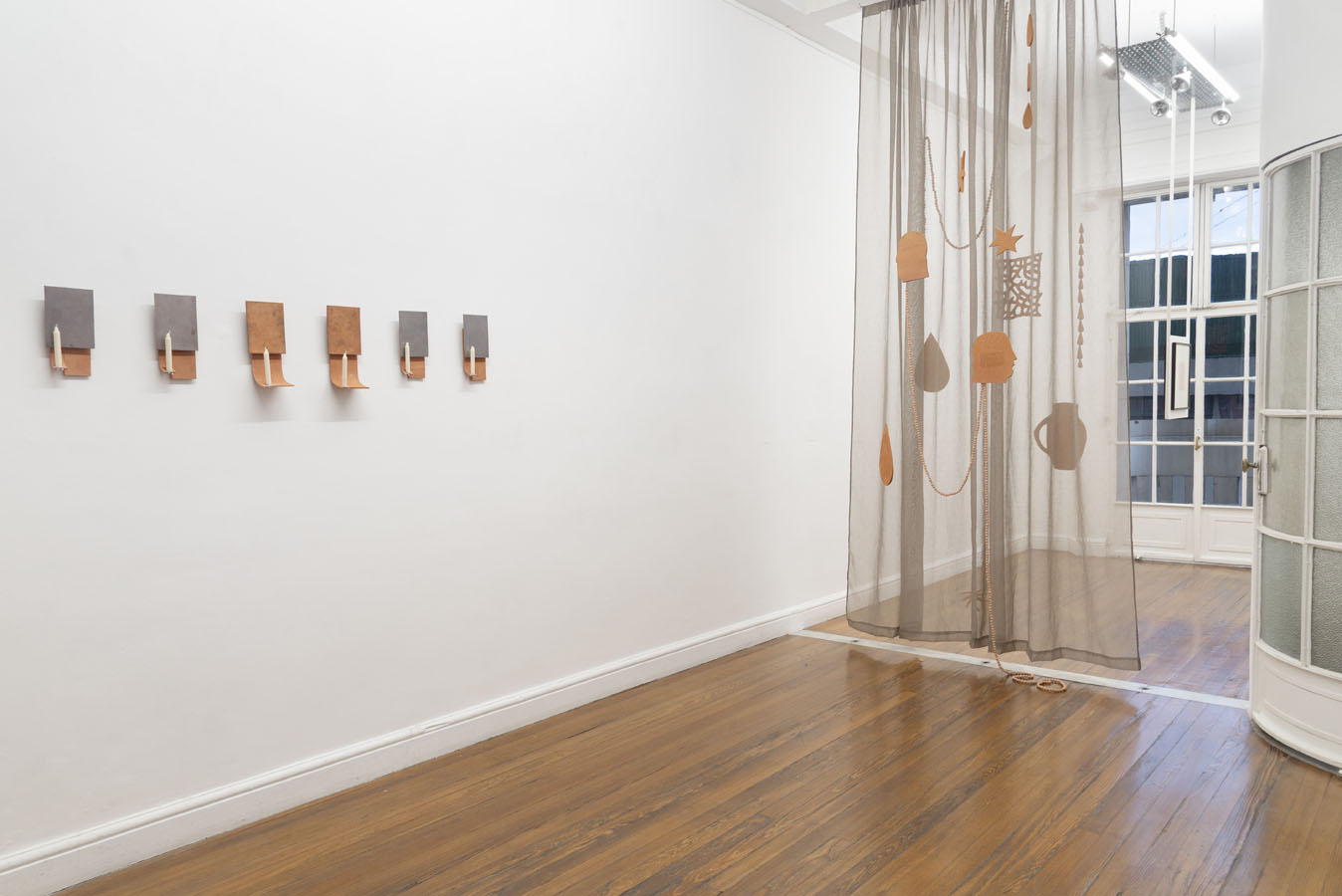
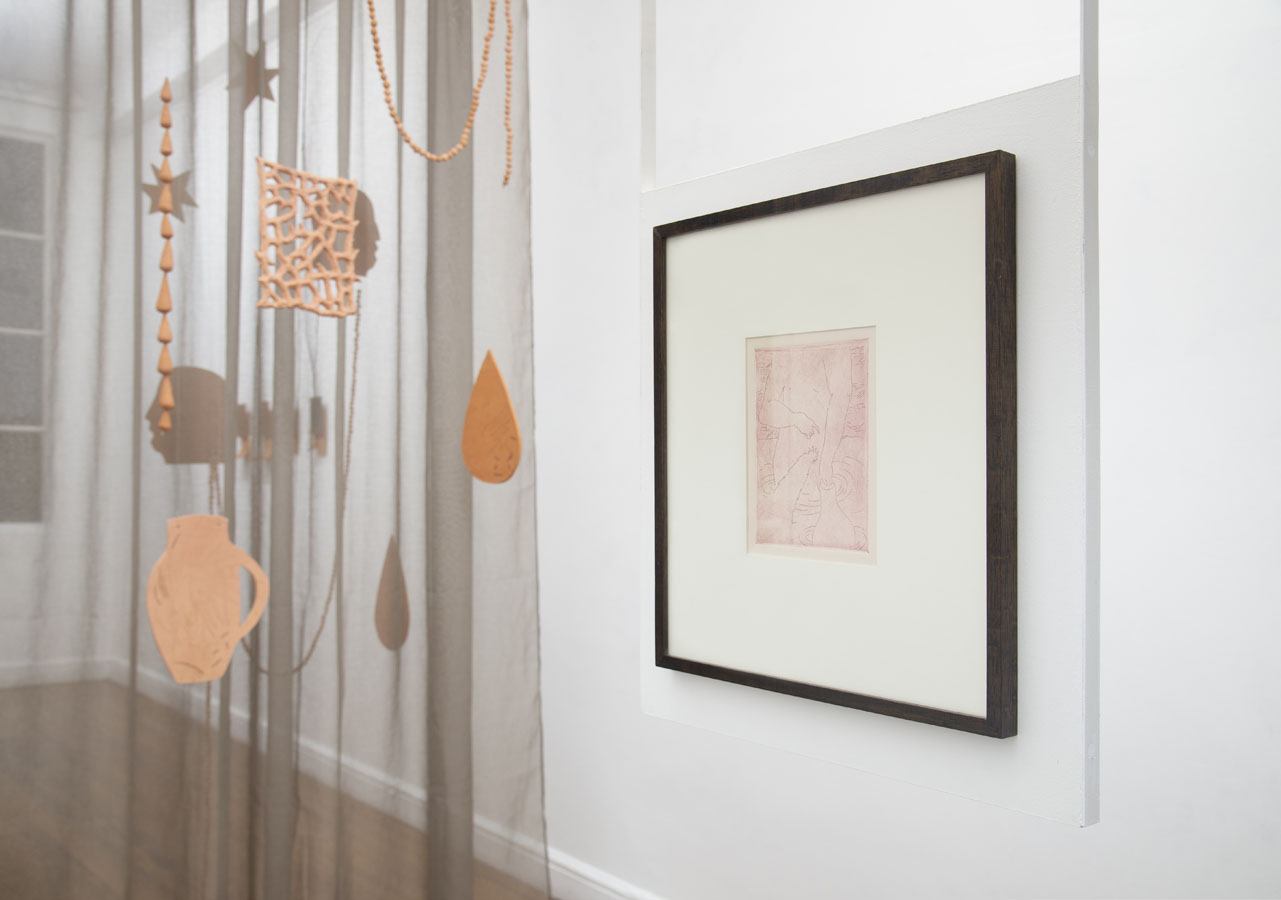
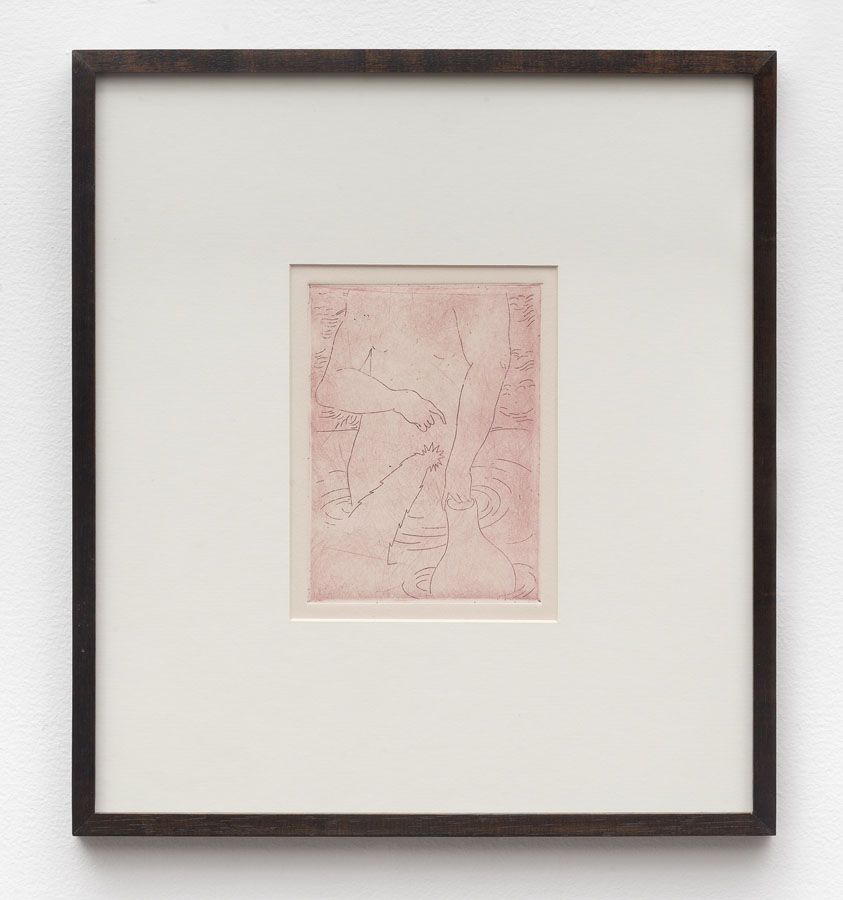
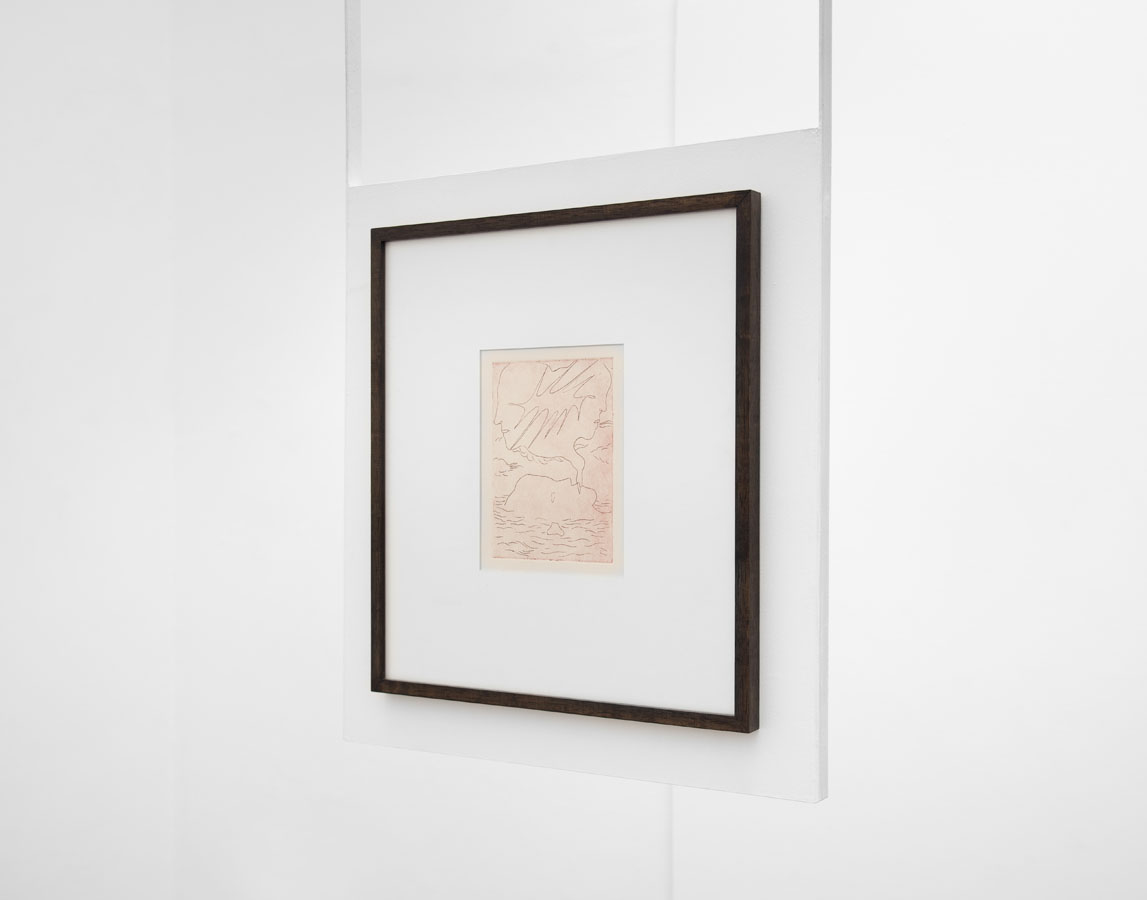
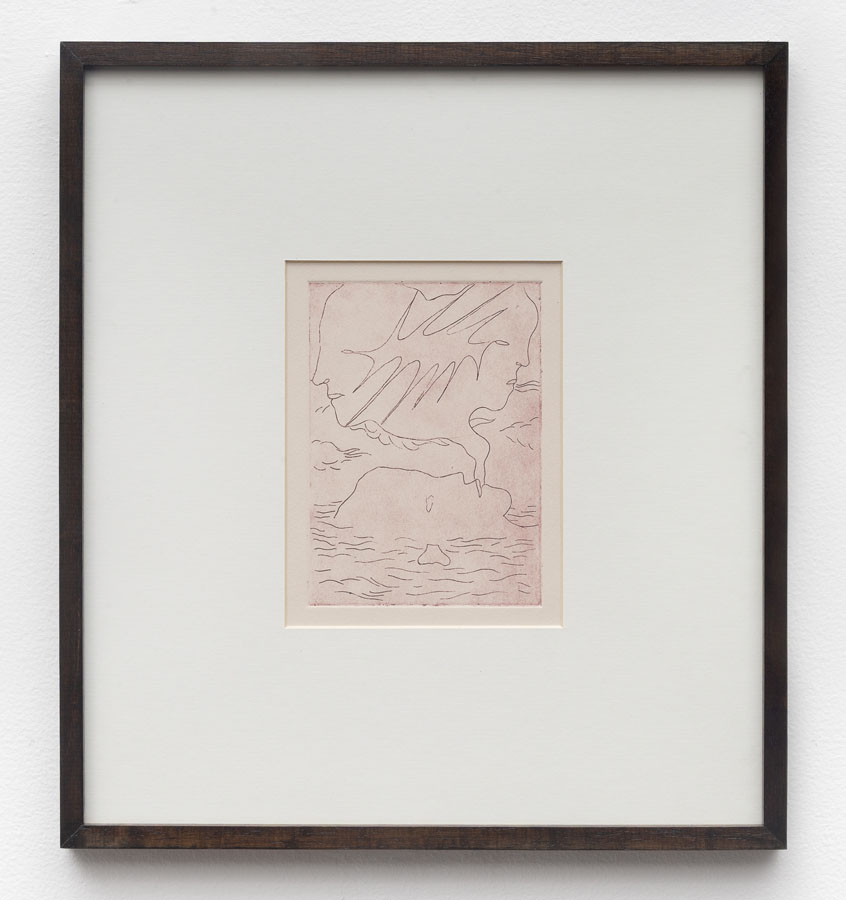
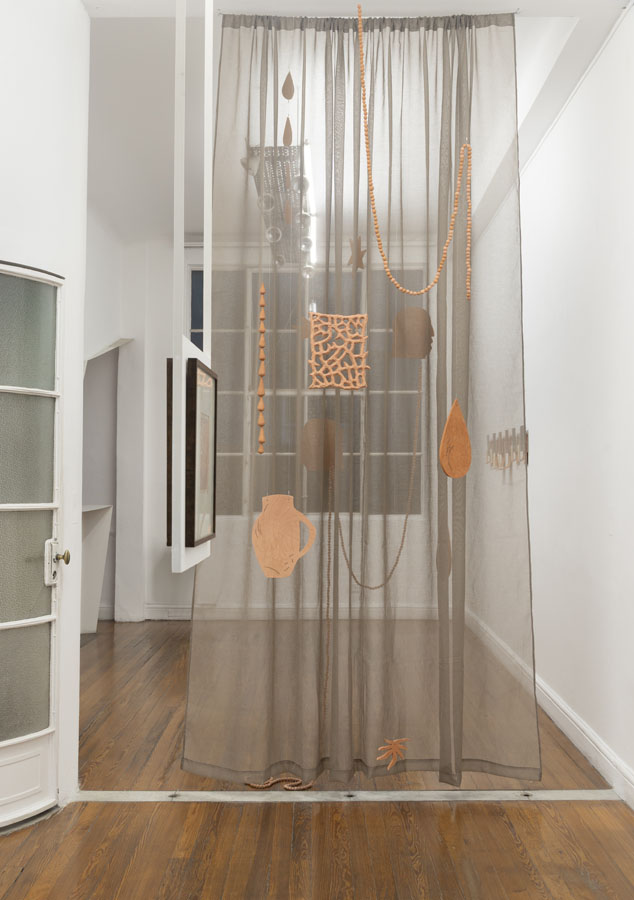
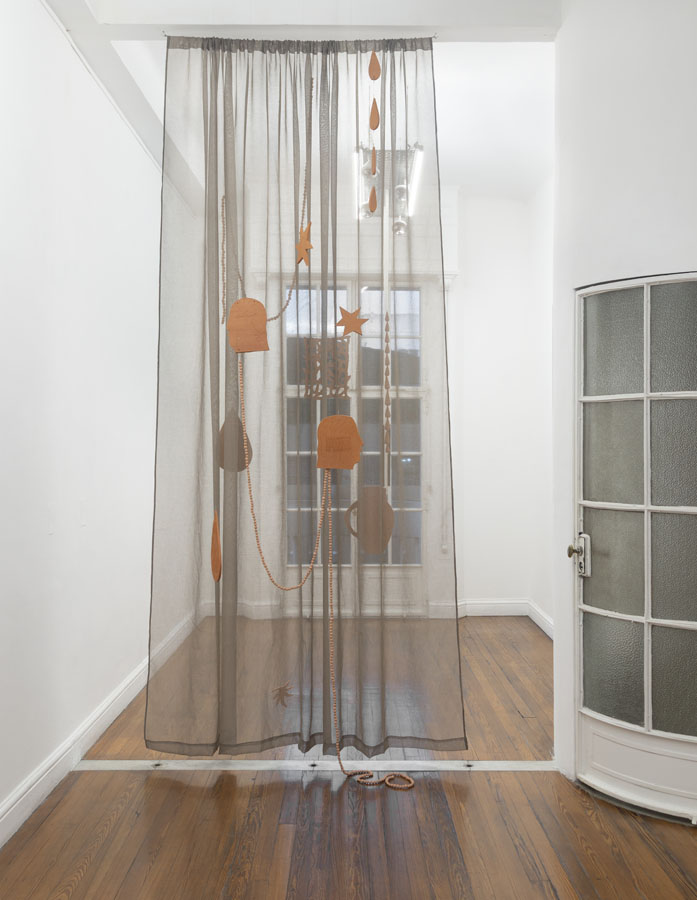
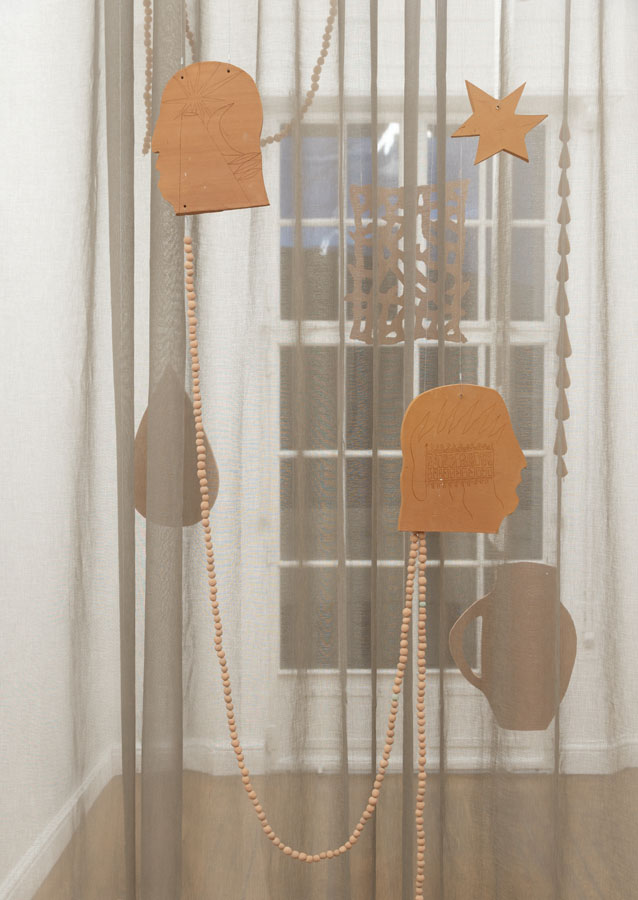
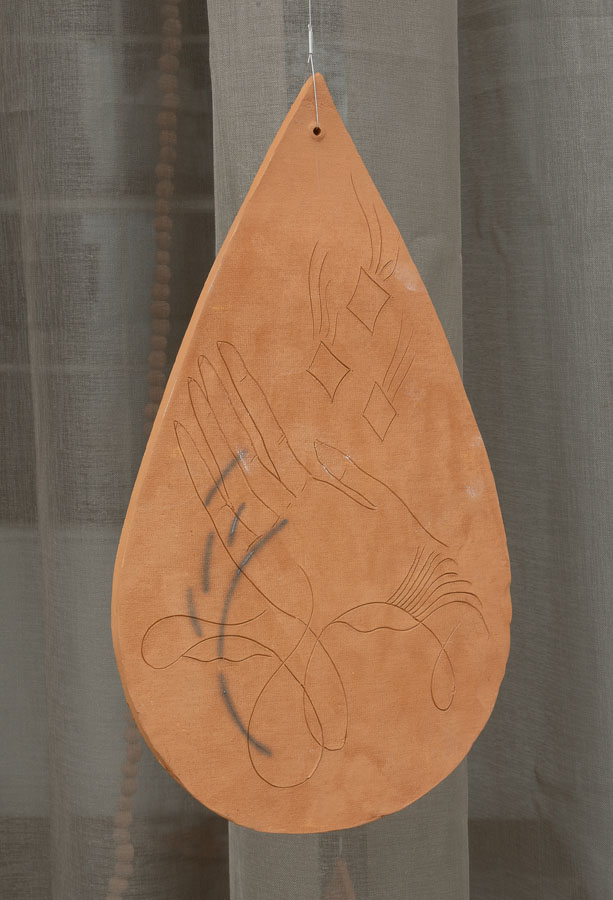
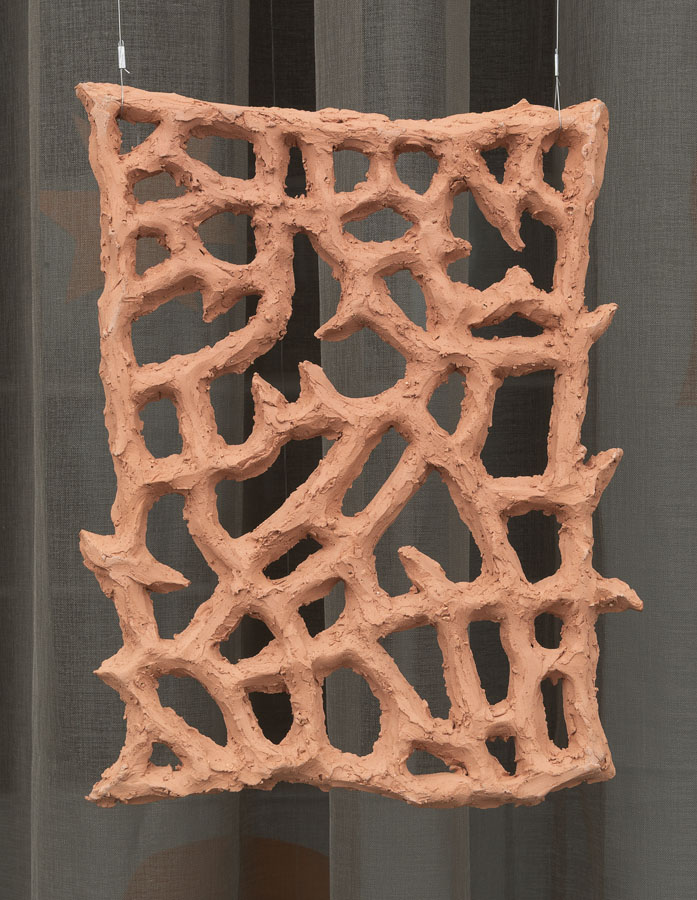
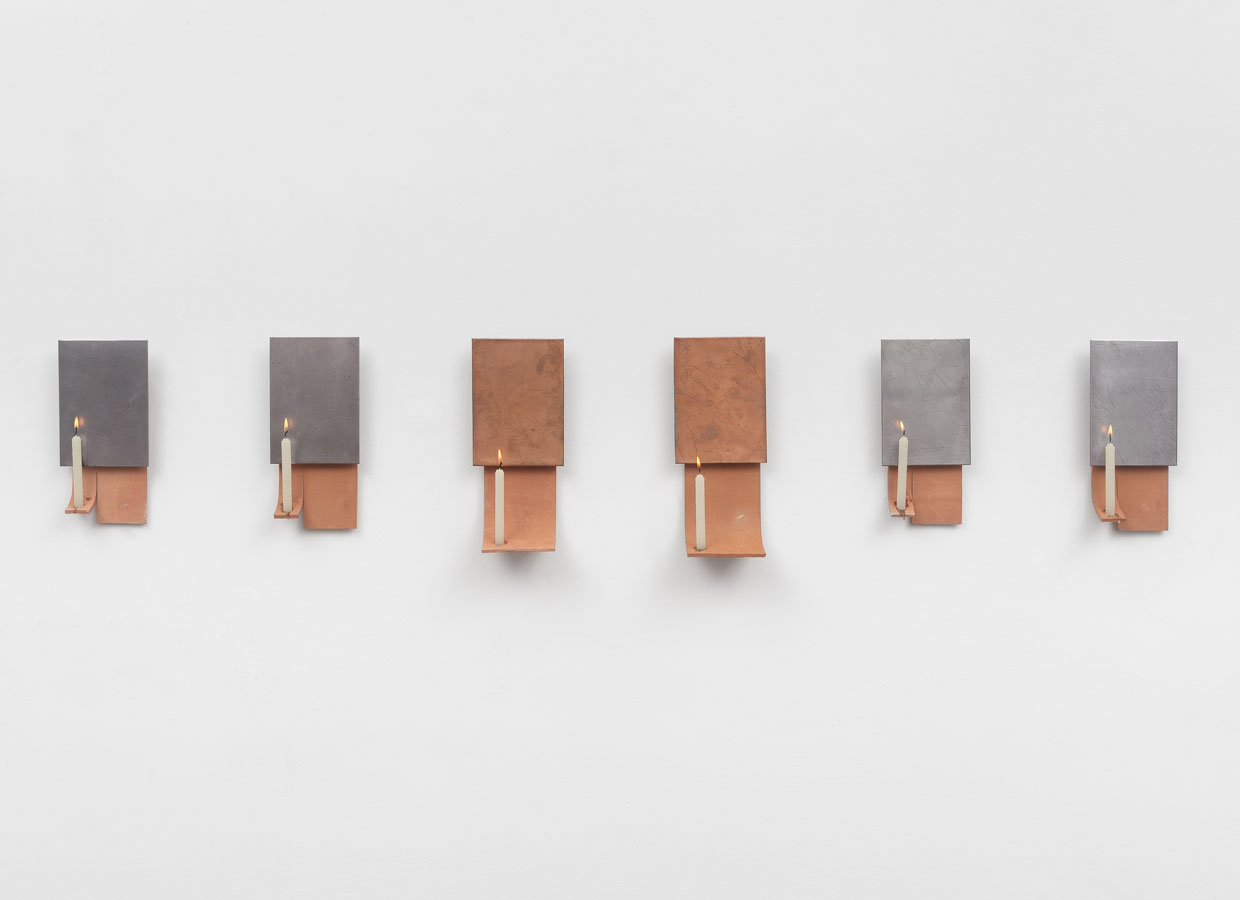
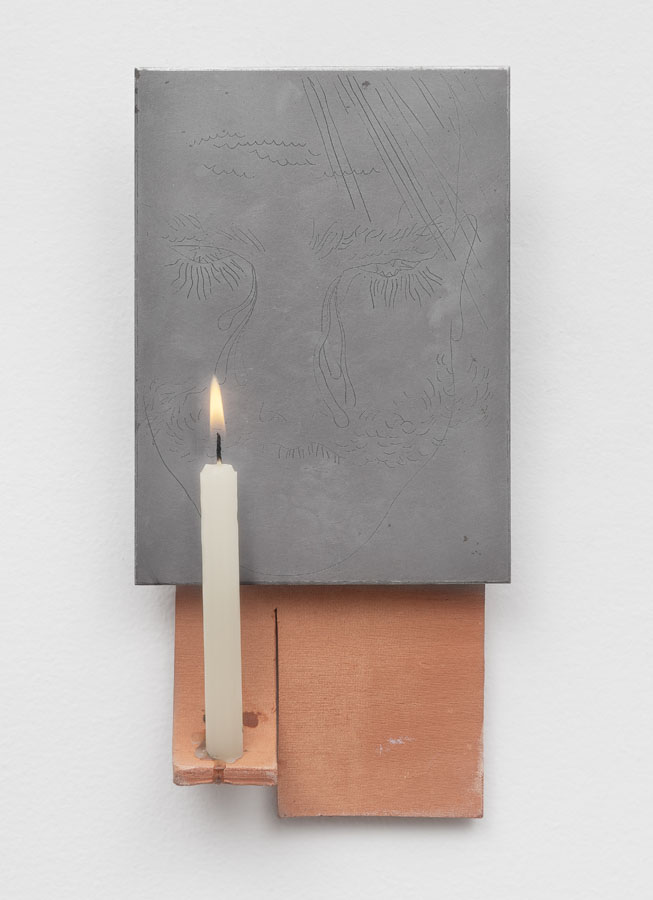
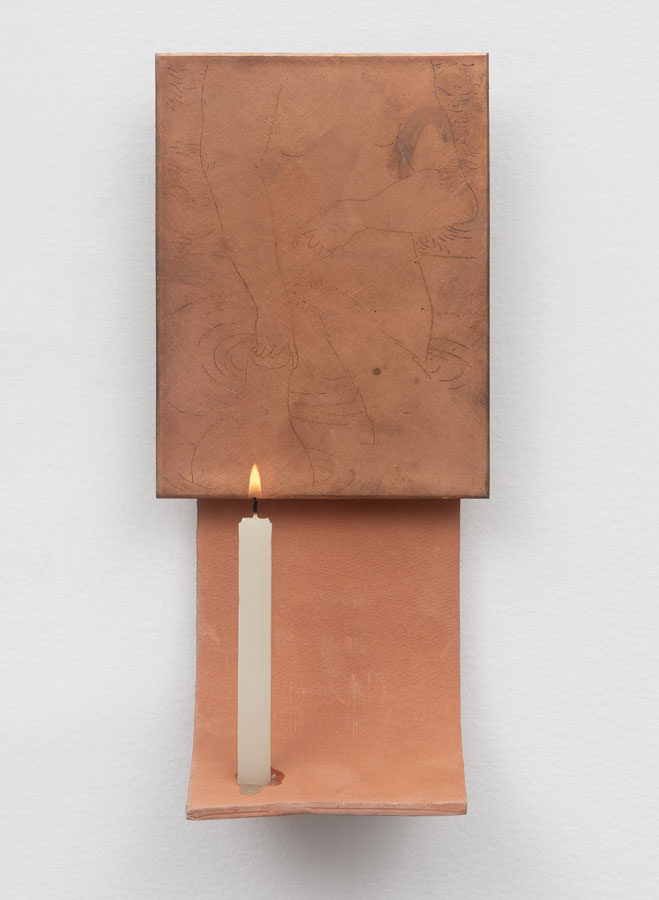
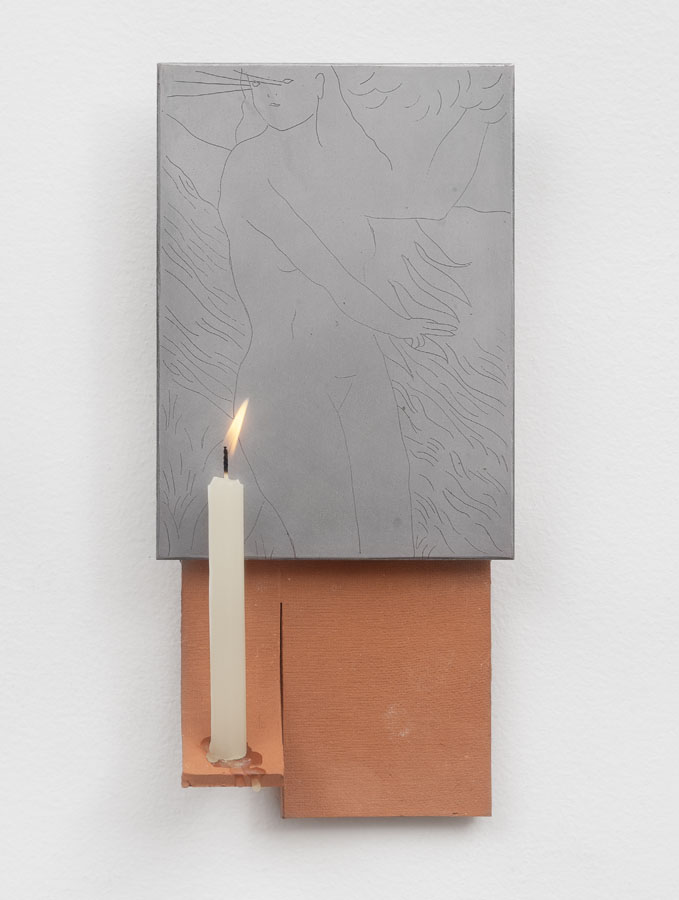
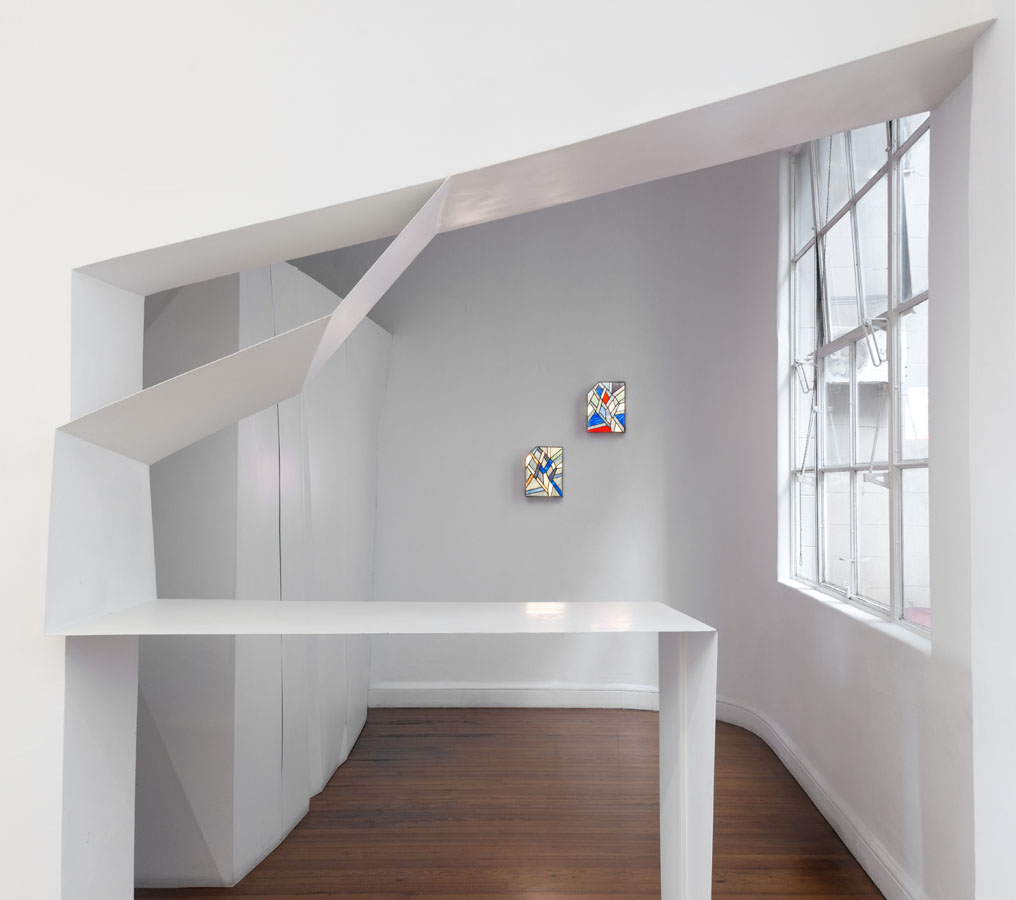
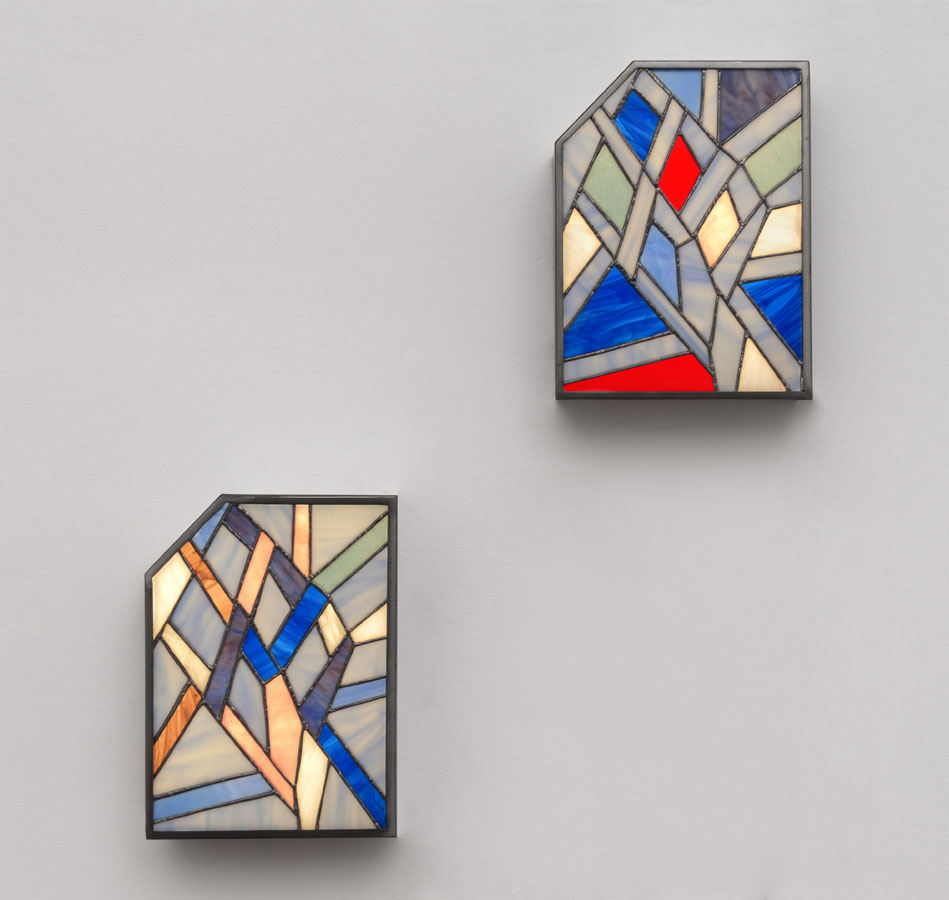
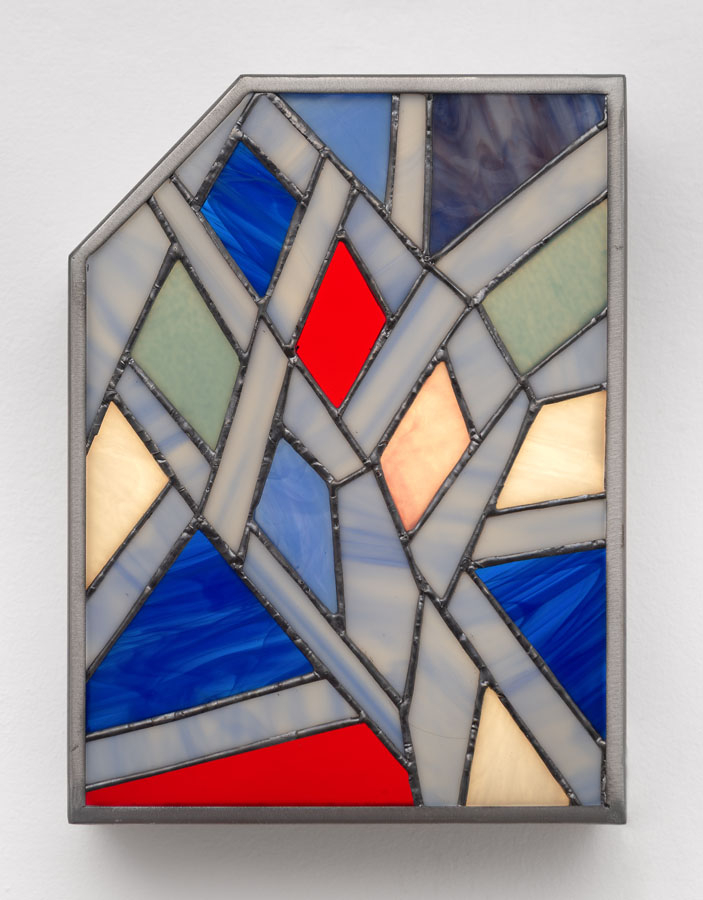
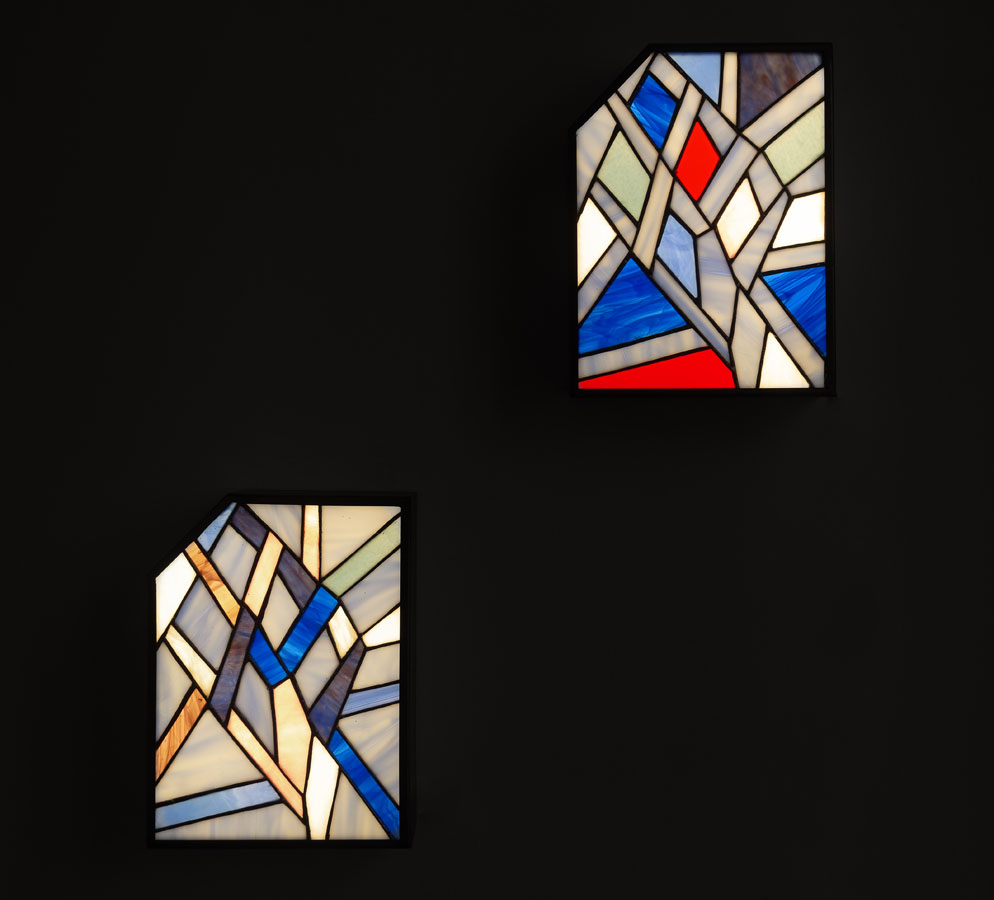
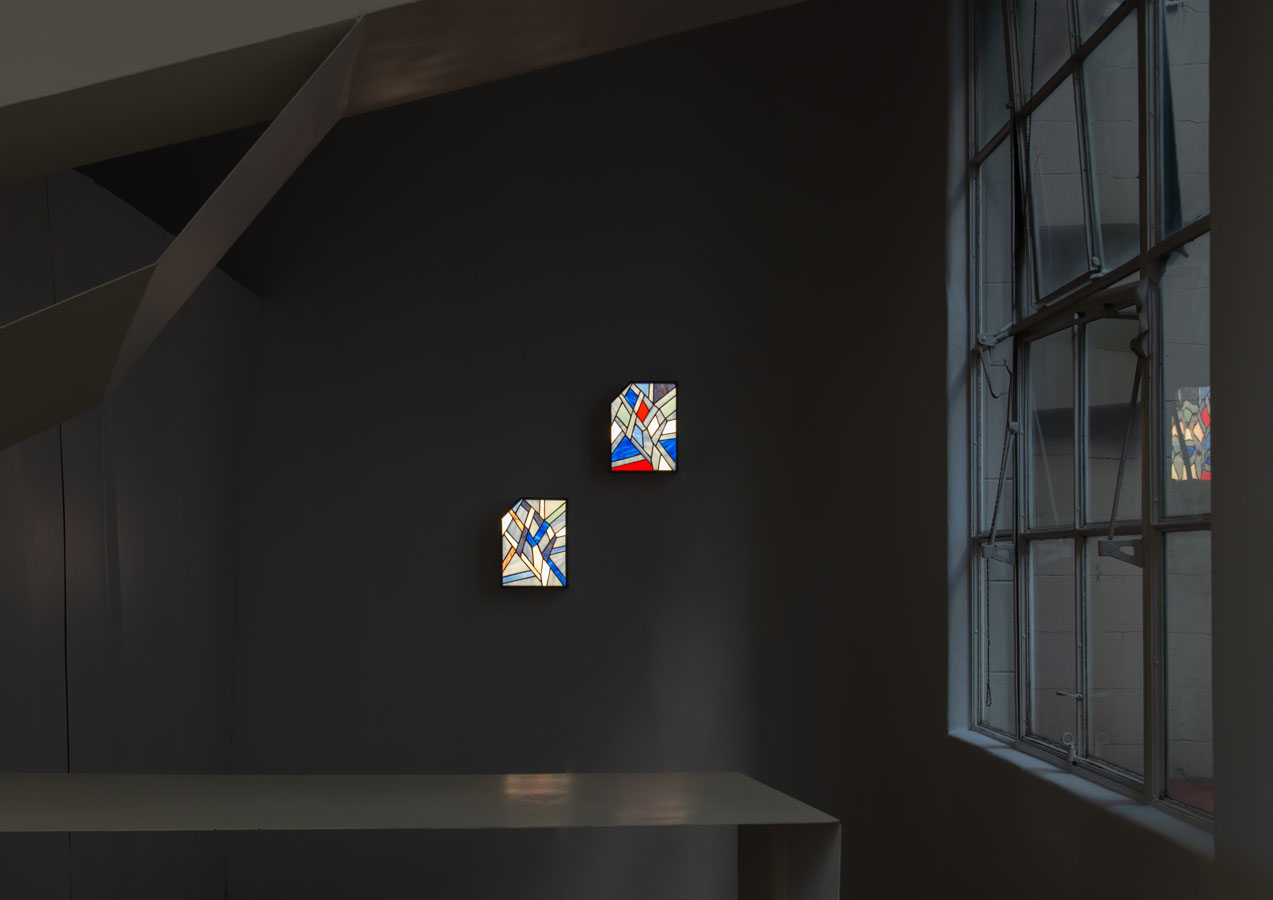
an obverse and a reverse
Duality, considered from a non-binary perspective, is not a fight between two things but only one thing breathing in two directions.
Duality, when understood as obverse and reverse, implies something crucial: they are inseparable even if they can not be seen at the same time. Besides, the trap of wanting to choose one is ending up with only one side of it: light without shadow, reason without doubt, calm without fire. This is not integration but amputation. In some life situations, the obverse is useful for showing oneself, making decisions, speaking up, going forward. In others, it is the reverse the one that knows how to wait, listen, hesitate, move a bit to the side. Obverse and reverse do not compete, but explore each other and even get mixed up. Freedom is not general but contextual.
Duality is not contradiction but tension; meaning there is no mistake to solve, but rather a strength to uphold. Contradiction asks for solutions, tension asks for presence. From this perspective, what makes us human is not perfect coherence but rather continuity between opposite forces. They coexist. The obverse asserts and the reverse supports.
Duality allows Mara to reflect upon a historical-ontological aspect in her works, where the metaphor is not only personal but civilizing. If we consider this in the light of duality as obverse and reverse, we are not talking about two "opposite" cultures in an abstracted way, but we are rather referring to two ways of inhabiting the world, two ways of answering the same question: what is nature and what is my place in it? On one side, the European perspective understands it as an act of appropriation, of domination. The world is something external to me, available to be known, possessed and managed; earth is something to own, boundaries can be established. In this context, nature becomes raw material. Instead, it is on the indigenous side where connection, mobility, and listening take root. Nature is not a multiple being, but presences with which one coexists, negotiates, and shows gratitude. This is why nomadism is not a symbol of precariousness but rather the ethic of non-appropriation.
Movement becomes a way to avoid exhaustion, to avoid a fixed dominion or breaking the balance. From this perspective, earth is not something to own since it can not be separated from body nor time.
Duality seeks to restore tension. A human way of listening that does not exclude the non-human is possible when we accept that everything has always been dual, that this can not be imposed by force but through naturalization. This allows us to consider the human as the first colonized territory, where each can regain its place: the body as the obverse—living experience— and reason as the reverse—support—. Turning the body into something rational may become a way of not fully inhabiting it.
Sometimes the most persistent form of colonization is not that of the land, but rather that of a way of looking; it refers to something deeper and quieter: the seizing of perception.
Fabián Carrere